02 October 2010

What's with Johnny?

In the past few movies that I've seen (Scarlet Street, The Killing and now Gilda) there has been a male character, often the protagonist, who is named Johnny. What is it with the name Johnny? I've been thinking about it and I can pick out a few traits that run through all of the three Johnny's:

- mid 30s white male
- down on his luck
- money problems
- wants to make it big, but always in over his head
- involved with a femme fatale
- garners the viewer's sympathy despite character flaws
- a bit nervous, unsure of himself

I've never met a real person named Johnny, it's always a film character, maybe because its a bit of a dated name. Maybe it's also because of the movies that I to associate Johnny with a grown man who has childish / chump qualities, the guy who always tries hard, but hardly gets it right. Above all, I suppose I just find it odd at the past three movies I've chosen all had similar characters.

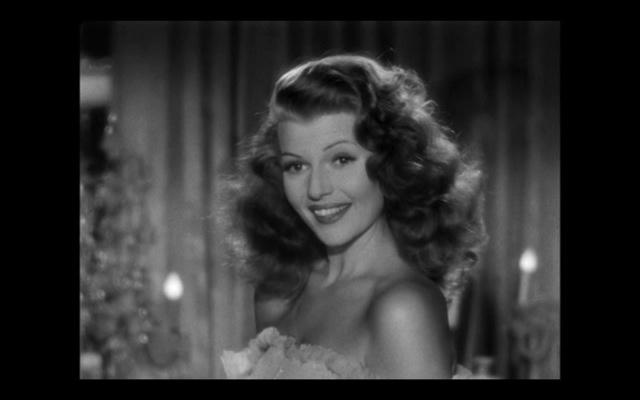
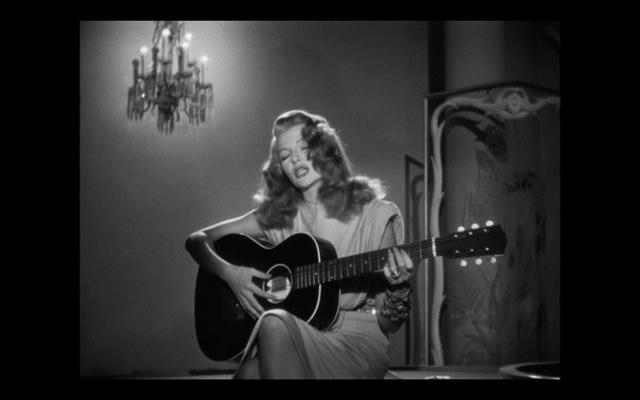
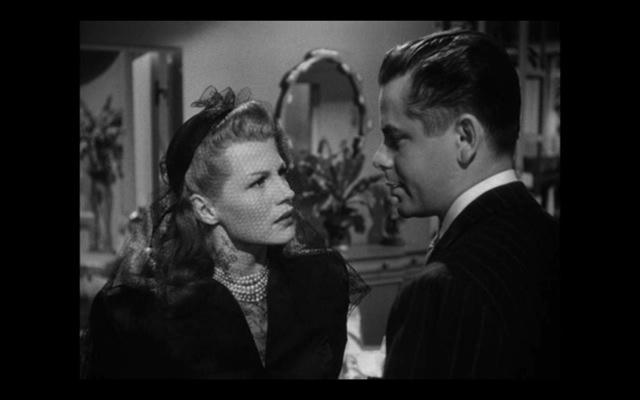
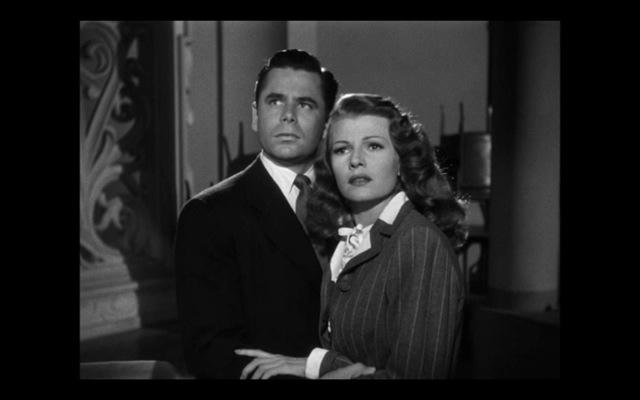
Tonight's movie was "Gilda", directed by Charles Vidor. I saw the first 5-10 minutes of the film in one of my classes last year - I think it was for American Film History. Forgot about it until the first few minutes into the movie. The film is obviously about a woman named Gilda, but also about a man name Johnny, and in some ways I feel that it is his movie more than it is hers. The title then, might be meant to highlight that in Johnny's mind, it is all about Gilda. The movie begins with Johnny down on his luck, and literally, down on his knees, trying to make some money playing dice. He meets a man who ends up hiring him as his right hand man at the casino he owns. Never mix gambling and women they both agree - that is until the casino owner reveals he has a wife. As it turns out, the wife, Gilda, was Johnny's former lover. The two try to play it cool, but as Johnny is commanded to watch over Gilda, it becomes evident that his chaperoning of her is much more than him carrying out his duties. In fact, it is just plain difficult for him to bear watching her fall over other men when she gets bored. The overbearing feeling of tension throughout the film can definitely be attributed to the close-ups on Rita Hayworth's face, as well as her wild nature and sexuality in contrast to the casino owner's rigid personality and Johnny's child-tryin'a-be-a-man character.

The film holds up to a lot of the trends in the noir canon, but I can't really say that it hit the spot for me as other noirs do. I'd like to see Hayworth in Orson Welles' "The Lady From Shanghai" though, so perhaps that will come next. Soon, at least!
01 October 2010

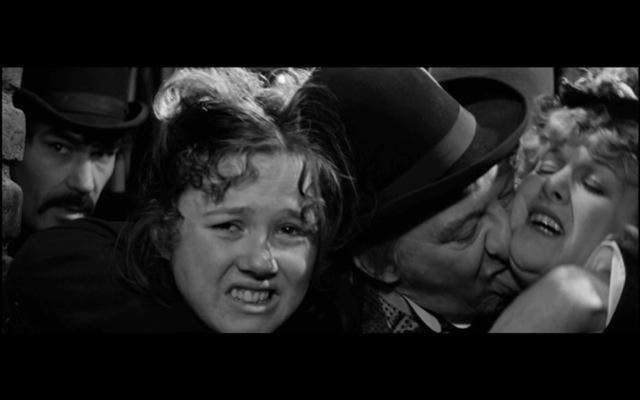
The Killing. Stanley Kubrick.

After last night's noir I decided to switch it up a bit with Stanley Kubrick's 1956 film, The Killing. I actually thought this was a film that I had seen a clip of and wanted to see in full, but am not remembering that the one I'm thinking of is the Killer's Kiss. I just checked and it is now on Netflix Instant Watch so I'll have to watch it sometime soon.

Despite my disappointment in not watching what I was hoping I would be watching, the film made me realize that Kubrick is one director to whom I've never given enough credit. When I watched A Clockwork Orange I was probably a freshman in high school and it was like the weirdest thing I'd ever watched at that point and from that point on that's all I knew of Kubrick. Wow, so wrong! At that age I hadn't even begun to think about how a director shoots his or her movies and the effect that it has on the viewer. I've since seen more of his films and my favourite is definitely "Paths of Glory". What a frustrating film to watch. And that's what makes it so brilliant. The sets are simple and the shots are simple, but how in the world Kubrick was able to harness the tone so well is enough to represent all his brilliance.

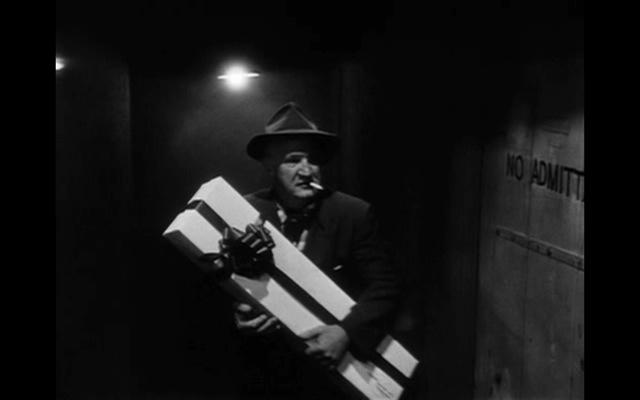
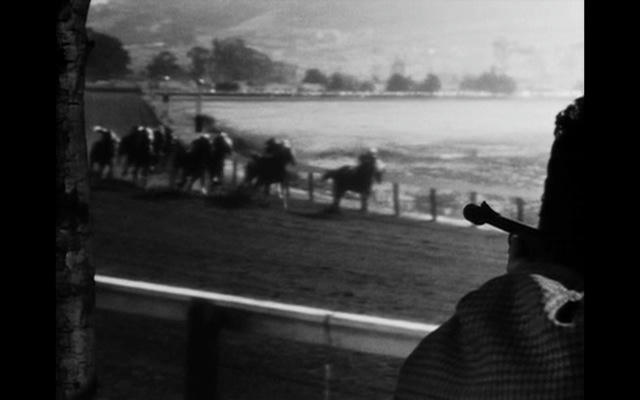
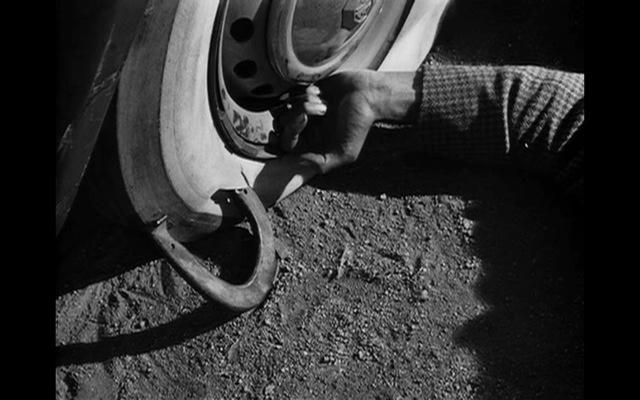
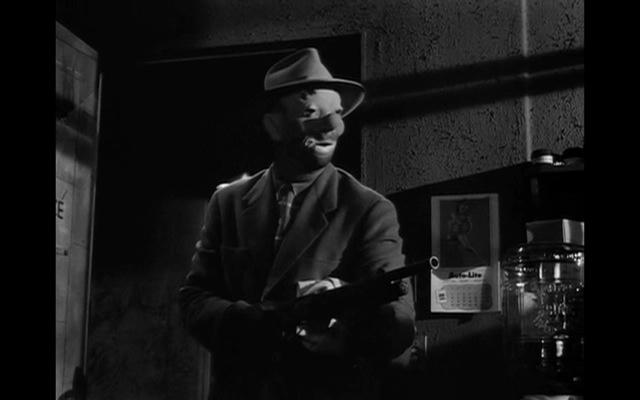
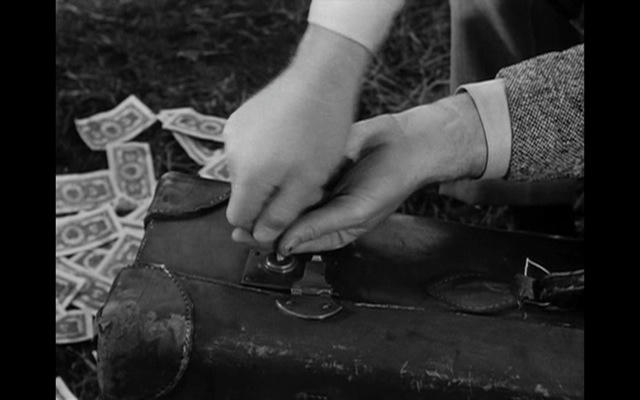
Back to The Killing: had a lot of shots typical in a Kubrick film. Very direct, uncomplicated. I wasn't enthralled with the plot so much and the ending was a let down, but his take on the heist was interesting: a team pulled it together, but ultimately it was one man in a crazy mask in the robbery. I can't think of any films before this that employed the idea of using scary ass masks during a takeover/heist. Would have to research that to know for sure. It'd actually be really interesting to know what movie started the trend that is still being used today, up to that movie that just came out -- The Town.

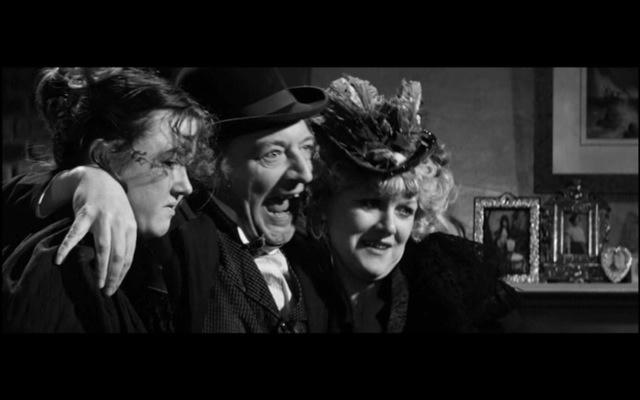
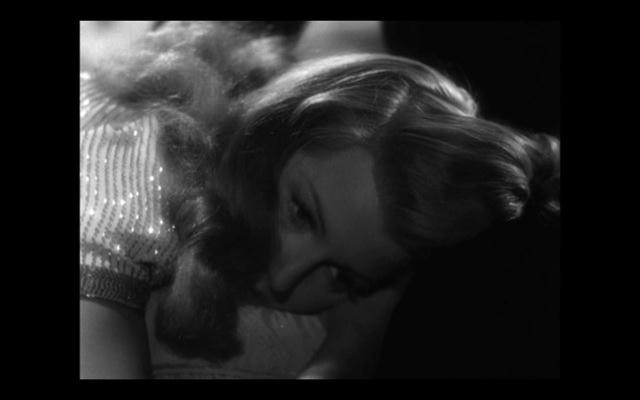
Time for some stills.


30 September 2010

Jeepers, I love you.

In a film noir mood. Watched Scarlet Street by Fritz Lang. I'm going to venture to say that Lang is definitely my favorite noir director. I like his other genre films, such as Fury, but I feel that his storytelling skills are so strong in his noirs. For example, he is really amazing at creating the ill feeling that every person is secretly plotting against you. He renders the city in such a compelling way - the empty streets and mere rain can create a feeling that menace lurks around every corner.

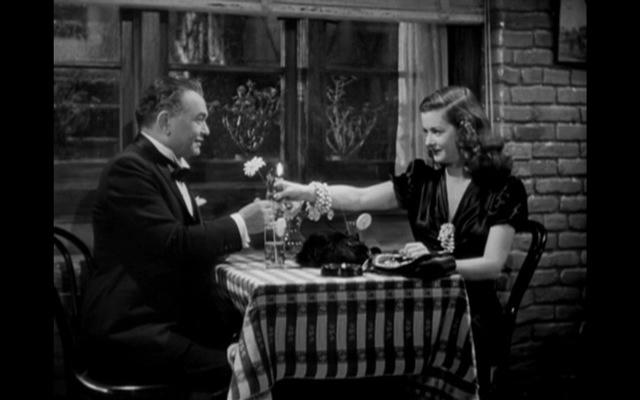
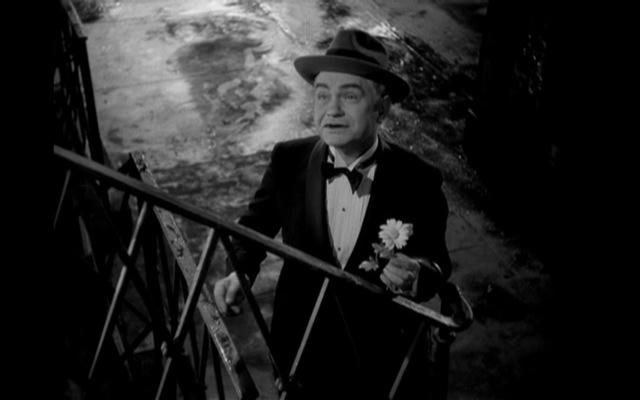
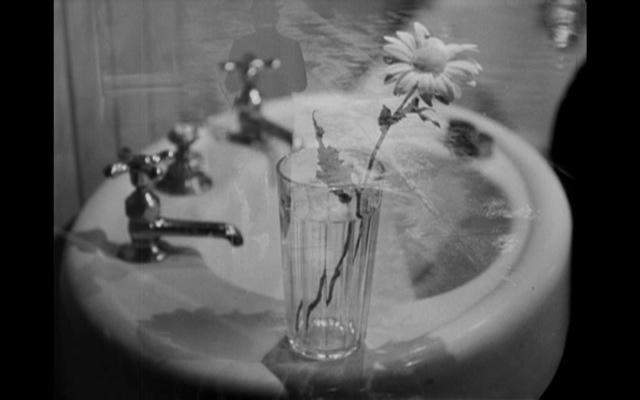
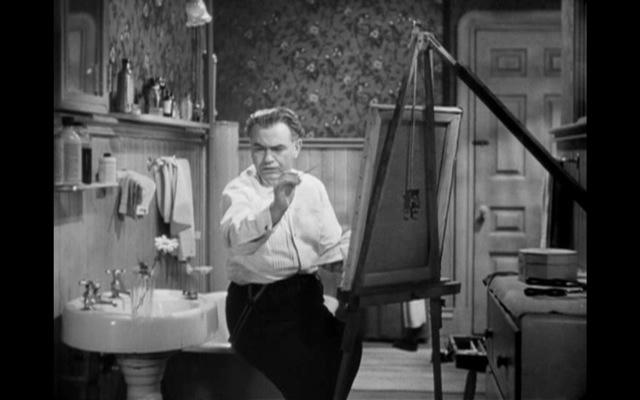
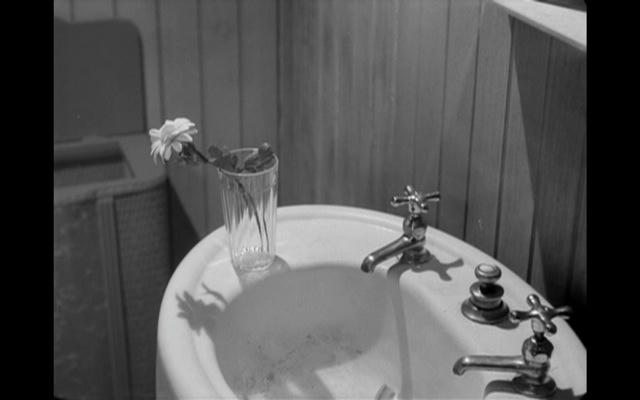
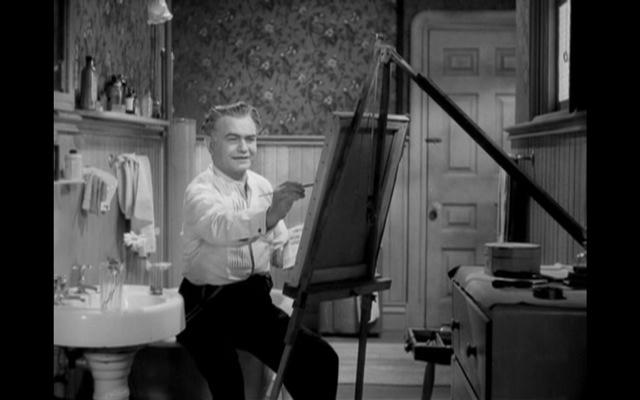
I wonder if he is conscious of a combined motif that I have noticed in his films: femme fatales and windows. In Woman In the Window, which is one my favourites, the main character sees a beautiful painting of a woman in the window of a fancy art shop on 5th avenue. He becomes so obsessed with her that he is willing to do anything, but of course, her love is, unbeknownst to the eternally hopeless romantic dope Edward G. Robinson, unrequited. He becomes mentally paralyzed from reason and of course, death is the final cost. The same kind combo motif is present in Scarlet Street. Robinson again falls in love with a young, beautiful woman, who keeps her true lover hidden on the side. Robinson, a painter, is in love with her so madly that he forfeits his own fame and fortune for her; his paintings, under her name, are displayed in a fancy art shop and in the last sequence of the film, her "self-portrait" is given a nice single shot to reinforce that haunting image of the woman.

I also love the visual tricks he plays. For example:


"So you won't forget me."


"Goodnight, Kitty."


* cue bird like flute music *


"Would you like to see what I did today?"
"Yes, I'd like to."


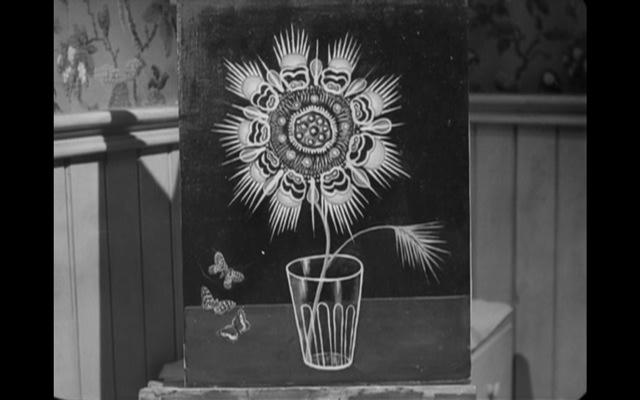
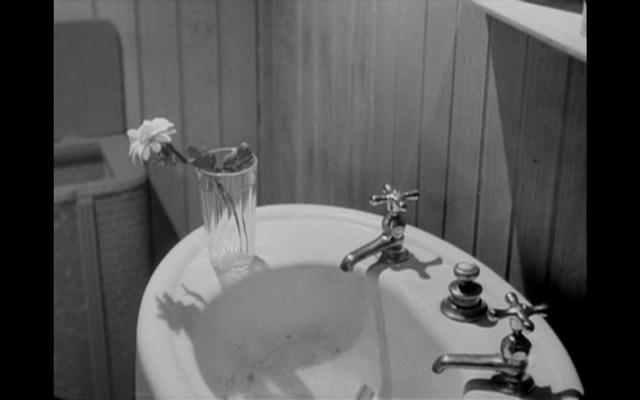
"Where did you find a flower like that?"


"You mean you see this.."


"When you look at that?..."


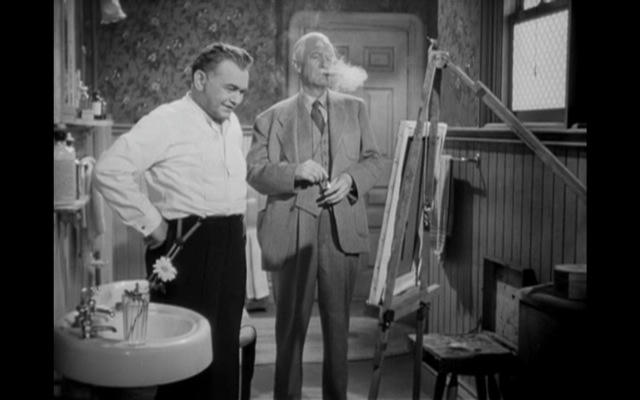
Lang, in an almost Hitchockian way (or Hitchcock, in almost Langian ways!) uses props as a means to convey psychological or emotional states. Here, the flower is used to represent Robinson's rosy-colored world after having met Kitty. The flower, to him, radiates much more liveliness and color, than to others, who see it wilting and dying.


In another example:


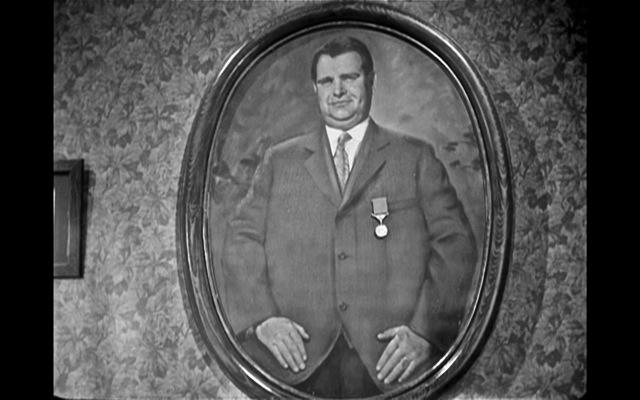
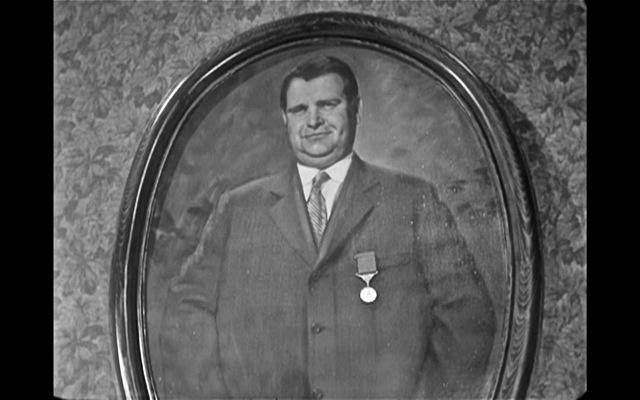
"Say did you paint this?"
"Great scott no, that's not a painting, that's mud, done by a photographer."
"Who is it?"
"The, uh, late departed."
"Ooh, your wife's former husband.."
"..Detective Sergeant Higgens."


"..Oh my Higgens!"


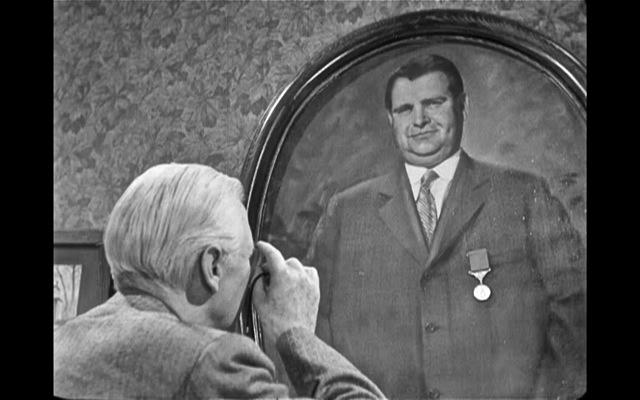
"Say, that's a real medal isn't it?"
"Yeeah, Adele got it."
"Your wife?"
"Yeah, after he was drowned in the East River. Jumped in to save a woman. Neither body was found."


Not only do I love the progression of shots, from long to medium, but the medal in conjunction with the dialogue is a subtle tip off point that the Mr. Sergeant Higgens is not actually dead, and he will reappear later in the film.


Lang's visual symbolism is always rather obvious, but man does it make his movies really fun to watch!

29 September 2010

The Elephant Man. David Lynch.

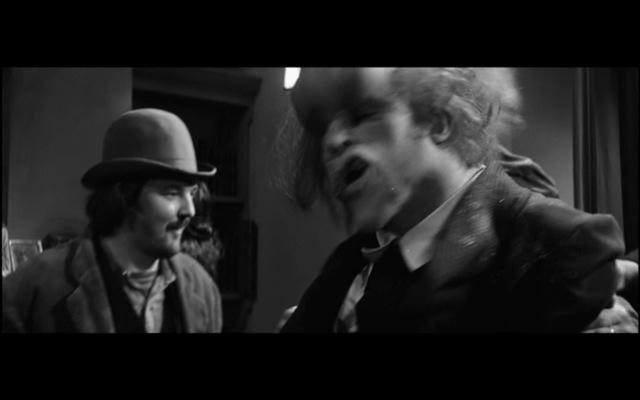
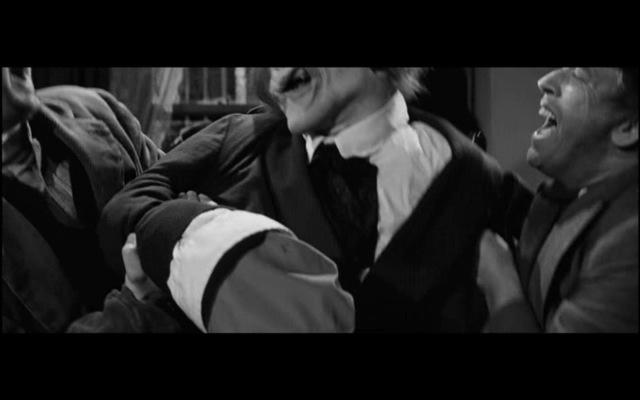
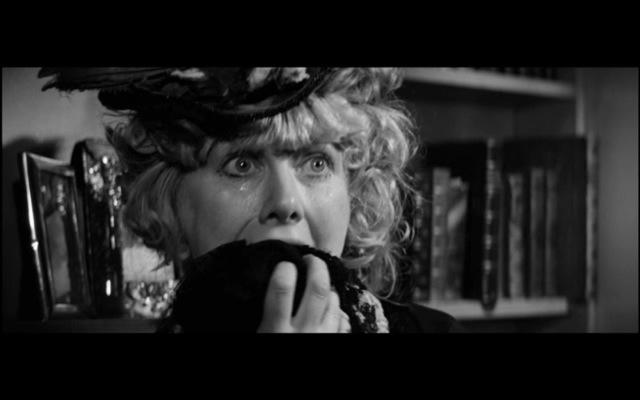
Watched The Elephant Man by David Lynch for the first time. You can definitely notice Lynch's directorial newness and his developing style. There were a few insert shots that came and went very awkwardly making transitions rather jarring. One scene would end and the next scene would begin very markedly independent from the last; didn't really seem to fit. The most memorable scene for me was when Merrick was officially granted admittance in the hospital and was later that night ambushed by the drunken crowds who had paid to see him. It was shot so well.


Notice how the scene opens with a long shot of Merrick all alone. It's such a sad moment as we see Merrick going through all the motions of "normal men" in society. The pleasure-seekers then invade the room, but they are not his friends. Throughout the scene, Lynch closes in on that nice open shot that began the scene by employing mostly close ups to create a sense of claustrophobia. The shots supplant the feeling of being in a whirlwind, dizziness, the lack of breath, the lack of control, stuffiness and utter entrapment. At the end of the scene, however, Lynch leaves us where we, and Merrick, started - all alone.

22 September 2010

SOUP goes to the Guggenheim

"SOUP", a short film that my bf and I made has just been shortlisted by the Guggenheim Museum for their Creative Artists Biennial!! The jury, which includes Ryan McGinley, Laurie Anderson, Animal Collective, Darren Aronofsky, Takashi Murakami and Apichatpong Weerasethakul, will select their top choices to be presented at a special event at the Guggenheim on October 21. Watch it, "like" it, leave a comment, post it on your tumblrs/twitters/blogs, whatever!